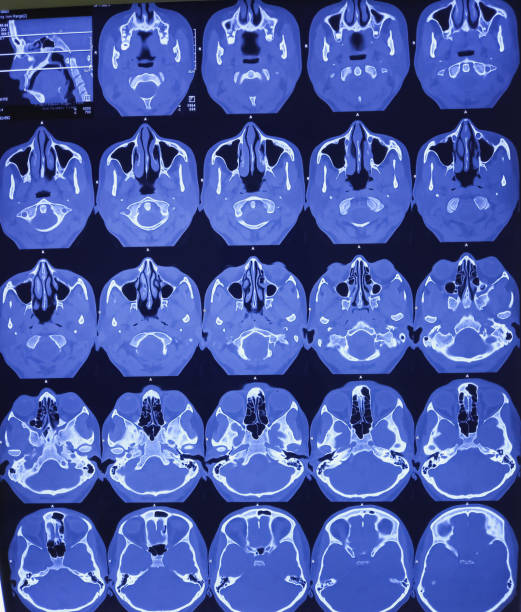
Navigating the intricate landscape of nasal health becomes crucial when conditions like turbinate hypertrophy come into play. As the nasal turbinates, responsible for humidifying and filtering the air we breathe, become enlarged, it poses challenges that extend beyond mere discomfort. Addressing turbinate hypertrophy requires a comprehensive understanding of the condition and exploring both traditional and innovative approaches.
Understanding Turbinate Hypertrophy
Turbinate hypertrophy refers to the enlargement of the nasal turbinates, which are bony structures inside the nose. These structures, crucial for maintaining optimal nasal function, can swell due to various reasons, leading to a range of symptoms.
Causes of turbinate hypertrophy include allergies, chronic sinusitis, and environmental factors. Individuals with a history of nasal issues or a predisposition to allergies are at a higher risk. Understanding these factors is pivotal in managing and preventing turbinate hypertrophy effectively.
Signs and Symptoms
Identifying turbinate hypertrophy involves recognizing symptoms such as persistent nasal congestion, difficulty breathing through the nose, and disrupted sleep patterns. These indicators, while seemingly common, can significantly impact an individual’s daily life and overall well-being.
Nasal congestion, a primary symptom, can lead to headaches, fatigue, and decreased productivity. Difficulty breathing not only affects physical activities but also contributes to sleep disturbances, potentially leading to more severe health issues.
Diagnosis and Medical Evaluation
When symptoms persist, seeking medical evaluation from an Ear, Nose, and Throat (ENT) specialist becomes imperative. Diagnostic procedures may include nasal endoscopy, imaging studies, and allergy testing. These methods allow for a precise diagnosis, laying the foundation for an effective treatment plan.
Traditional Treatment Approaches
Addressing turbinate hypertrophy often involves traditional treatments like nasal decongestants, antihistamines, and saline nasal sprays. These methods aim to alleviate symptoms temporarily, providing relief without addressing the root cause. In cases where conservative approaches prove insufficient, surgical interventions may be considered.
Emerging Therapies and Innovations
As medical science advances, non-surgical alternatives gain prominence in managing turbinate hypertrophy. Innovative therapies, such as targeted medications and advanced medical interventions, offer promising outcomes with fewer side effects. Exploring these alternatives broadens the spectrum of choices available to individuals seeking effective and minimally invasive solutions.
Lifestyle Changes for Managing Turbinate Hypertrophy
In conjunction with medical interventions, adopting lifestyle changes can contribute significantly to managing and preventing turbinate hypertrophy. Environmental adjustments, such as minimizing exposure to allergens and practicing nasal hygiene, including regular saline rinses, play pivotal roles in overall nasal health.
Impact on Quality of Life
The repercussions of turbinate hypertrophy extend beyond physical discomfort. Psychological and social aspects come into play, with individuals experiencing anxiety and frustration due to persistent symptoms. Addressing these facets is essential for a holistic approach to managing the condition and improving the overall quality of life.
Preventing Turbinate Hypertrophy
Preventive strategies involve understanding personal triggers and adopting habits that promote nasal health. From maintaining a clean indoor environment to incorporating a balanced diet rich in immune-boosting nutrients, individuals can take proactive steps to reduce the risk of turbinate hypertrophy.
Case Studies and Success Stories#
Real-life examples provide insights into how individuals navigate turbinate hypertrophy. Success stories highlight the diverse paths individuals have taken to manage their symptoms, showcasing the effectiveness of various treatment approaches and encouraging others to explore personalized solutions.
Balancing Traditional and Alternative Medicine
Integrating traditional and alternative medicine offers a holistic approach to turbinate hypertrophy. Combining conventional treatments with practices like acupuncture, herbal remedies, and mindfulness techniques empowers individuals to address the condition from multiple angles, considering both physical and mental well-being.
Considering Surgery: What You Need to Know
In cases where conservative measures fall short, surgical options become a consideration. Understanding the types of procedures available, their benefits, and potential risks is crucial for making informed decisions. Consulting with medical professionals helps individuals weigh the pros and cons, ensuring the chosen path aligns with their specific needs.
Patient Perspectives: Voices from the Community
Sharing experiences within a community of individuals dealing with turbinate hypertrophy fosters understanding and support. Online platforms and support groups provide a space for individuals to connect, exchange information, and offer emotional support. Hearing the voices of others navigating similar challenges can be empowering and enlightening.
Expert Opinions and Recommendations
Medical professionals specializing in nasal health provide valuable insights into managing turbinate hypertrophy. Expert recommendations cover a range of topics, from preventive measures to the latest advancements in treatment options. These insights serve as a guide for individuals seeking reliable information and guidance.
Conclusion
In conclusion, addressing turbinate hypertrophy requires a multifaceted approach that considers both traditional and innovative methods. By understanding the condition, recognizing symptoms, and exploring a variety of treatment options, individuals can navigate nasal health challenges effectively. Seeking professional advice and adopting lifestyle changes contribute to a holistic and sustainable strategy for managing turbinate hypertrophy.